Author profile
Eliot Moen
1901–1945 · Scottish-British writer and philosopher
Freedom is living the arbitrary.
Eliot Moen (1901–1945) was a Scottish-British writer and philosopher best known for his works The Lonely Man and What Society Allows, as well as for his analysis of the human condition in a world of uncertain meaning and nature.
With almost no formal academic training, he began working as an insurance worker in 1916, then as a tutor, and eventually as a writer and essayist for the Dawn journal in 1925. After perfecting his project, The Lonely Man, it was published three years later, in 1930.
Four years later, he published Carkougen's Massacre, an exploration of the human condition in the face of the historical transformation of thoughts and values.
In 1940, he published his last major novel, What Society Allows, a dense and fierce critique of society, morality, culture, and ethical authority. Unfortunately, due to his previous political critiques in the Dawn journal, he was arrested in Nazi Germany and sent to die in a concentration camp, where he spent his final five years writing extensive explorations and developing the central ideas of his philosophy through three novellas (which he referred to as short stories).
The first, In and Out of the Camp (1943), consists of autobiographical notes in which he describes and narrates his daily life in the camp and how the experience demonstrated to him the ironic conclusions toward which his philosophy had led. It was followed by Longleaf Pine Trees (1943), in which he extends his metaphilosophical critique and exploration of the absurdity of life through a story demonstrating how every decision can lead to an arbitrary result.
Finally, in To Cut Down a Tree (1944), a combination of a clerk's notes and a narration of his activism in preserving the environment, Moen's philosophy reaches its fullest development. It is ultimately summarized in the final lines of his works: "Freedom is living the arbitrary." Rather than merely critiquing and highlighting the absurdity of life, Moen demonstrates a way of living authentically by accepting and becoming the active agent of one's own decisions, rather than remaining a fleeting, passive puppet of life's absurdity — the "new generation," "the other man," and the political and social agonies of existence.
Works by Eliot Moen
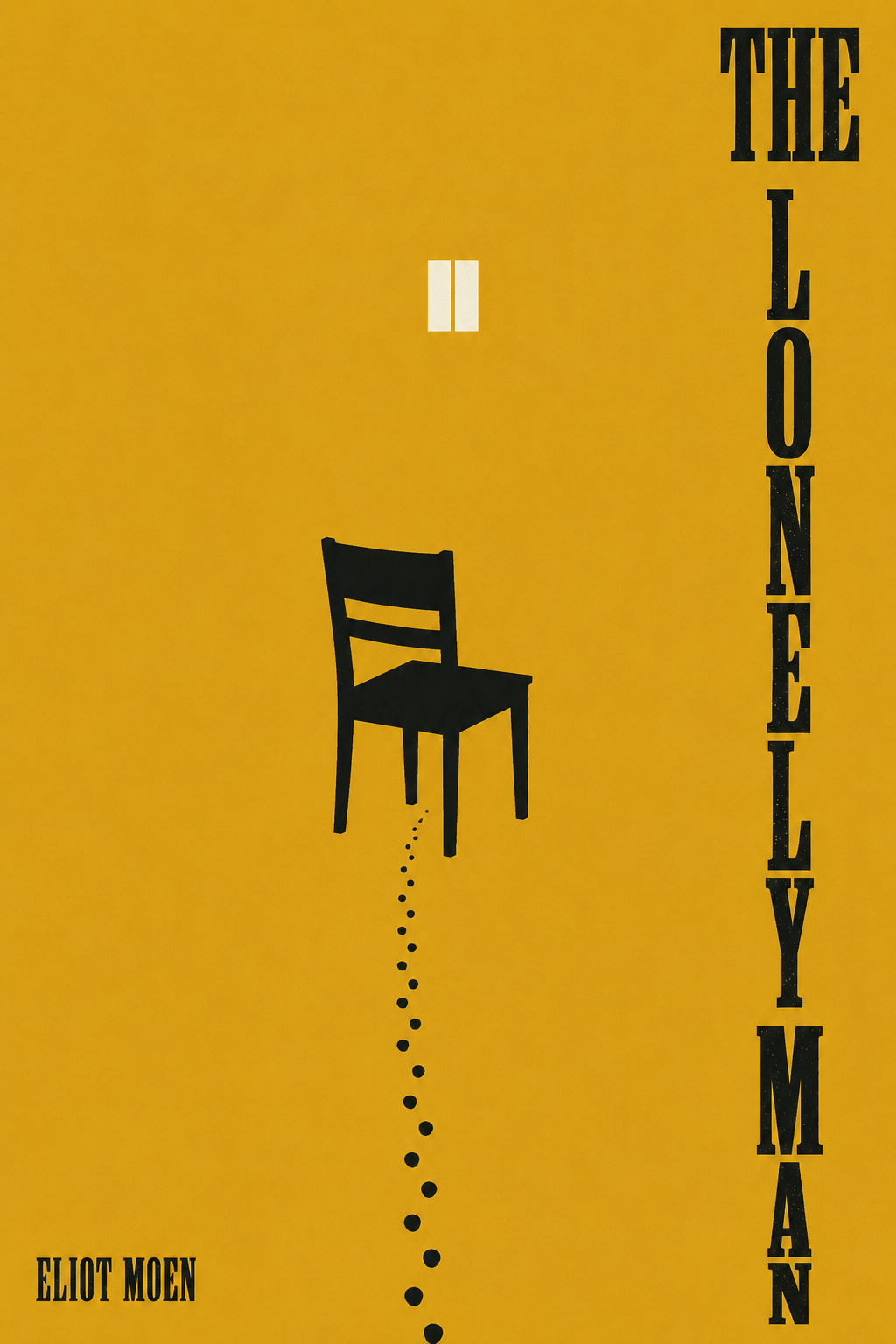
The Lonely Man
Eliot Moen
Psychological, philosophical
The Lonely Man
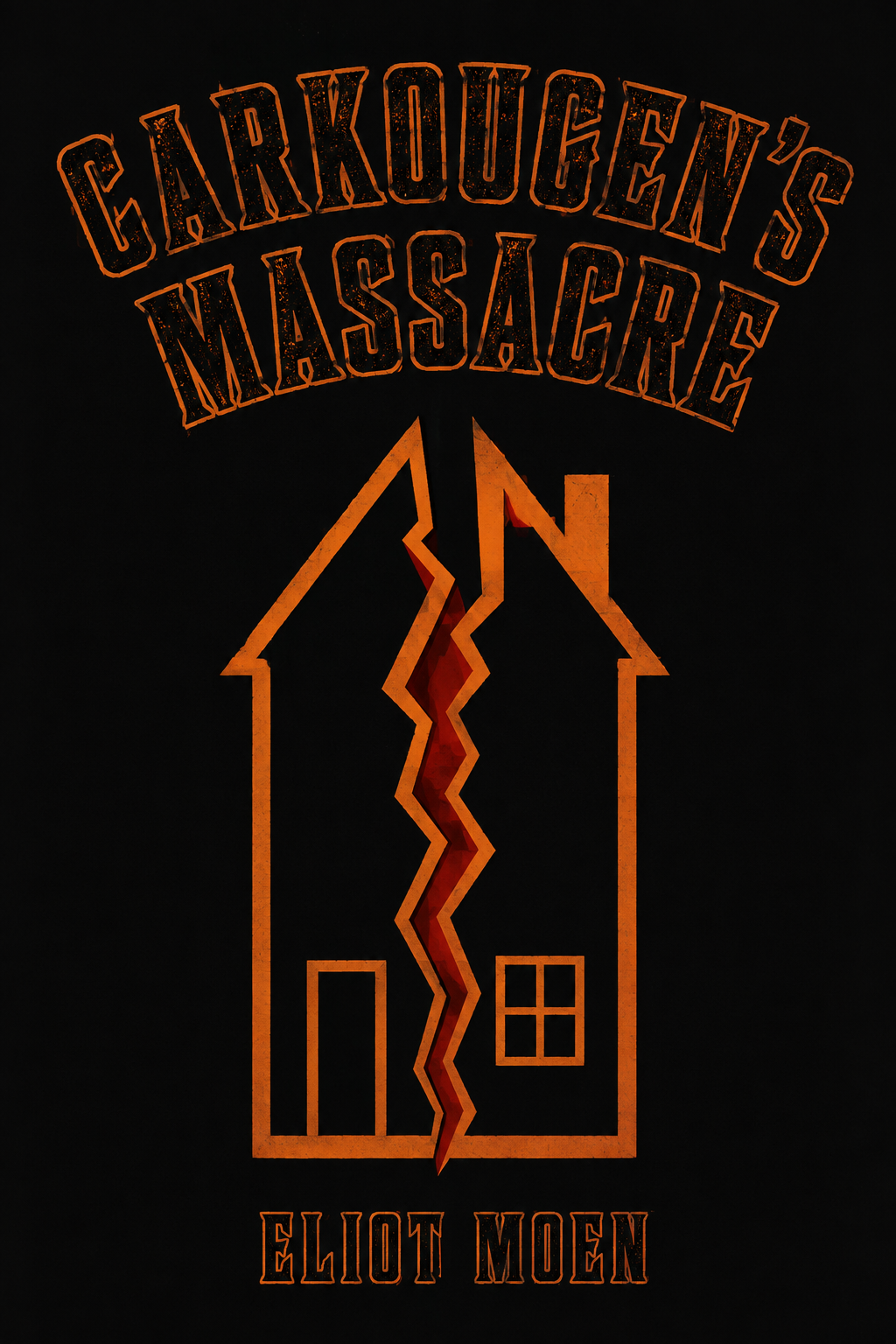
Carkougen's Massacre
Eliot Moen
Eliot Moen's Carkougen's Massacre (1934) is a psychological and philosophical novel about a family undergoing slow separation due to unnatural aspects of life ranging from political to societal issues that directly affect their mental well-being, bonds and relationships.
Carkougen's Massacre
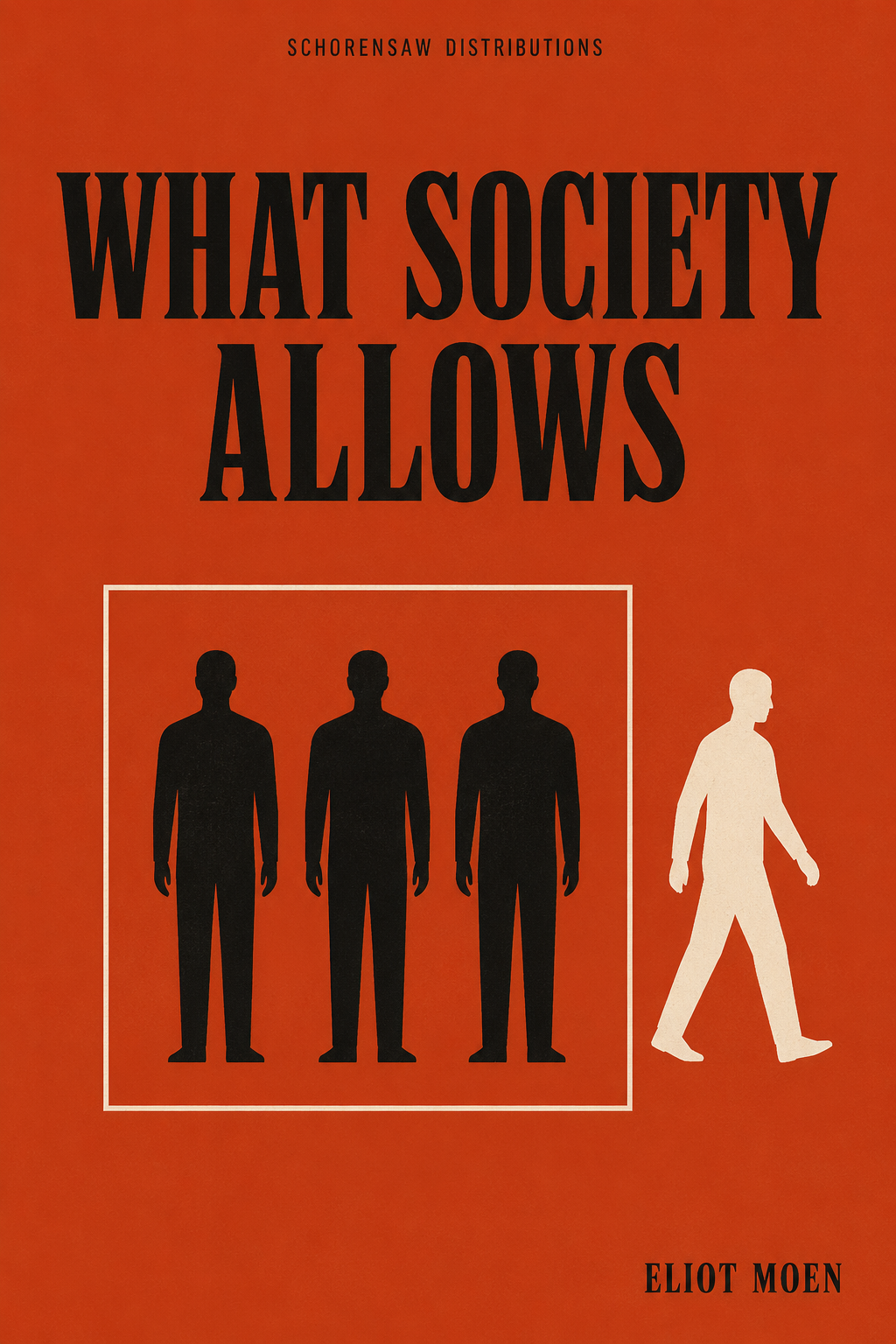
What Society Allows
Eliot Moen
Moen's last major novel: a dense and fierce critique of society, morality, culture and ethical authority, written on the edge of a Europe that had already decided what it would allow.
What Society Allows
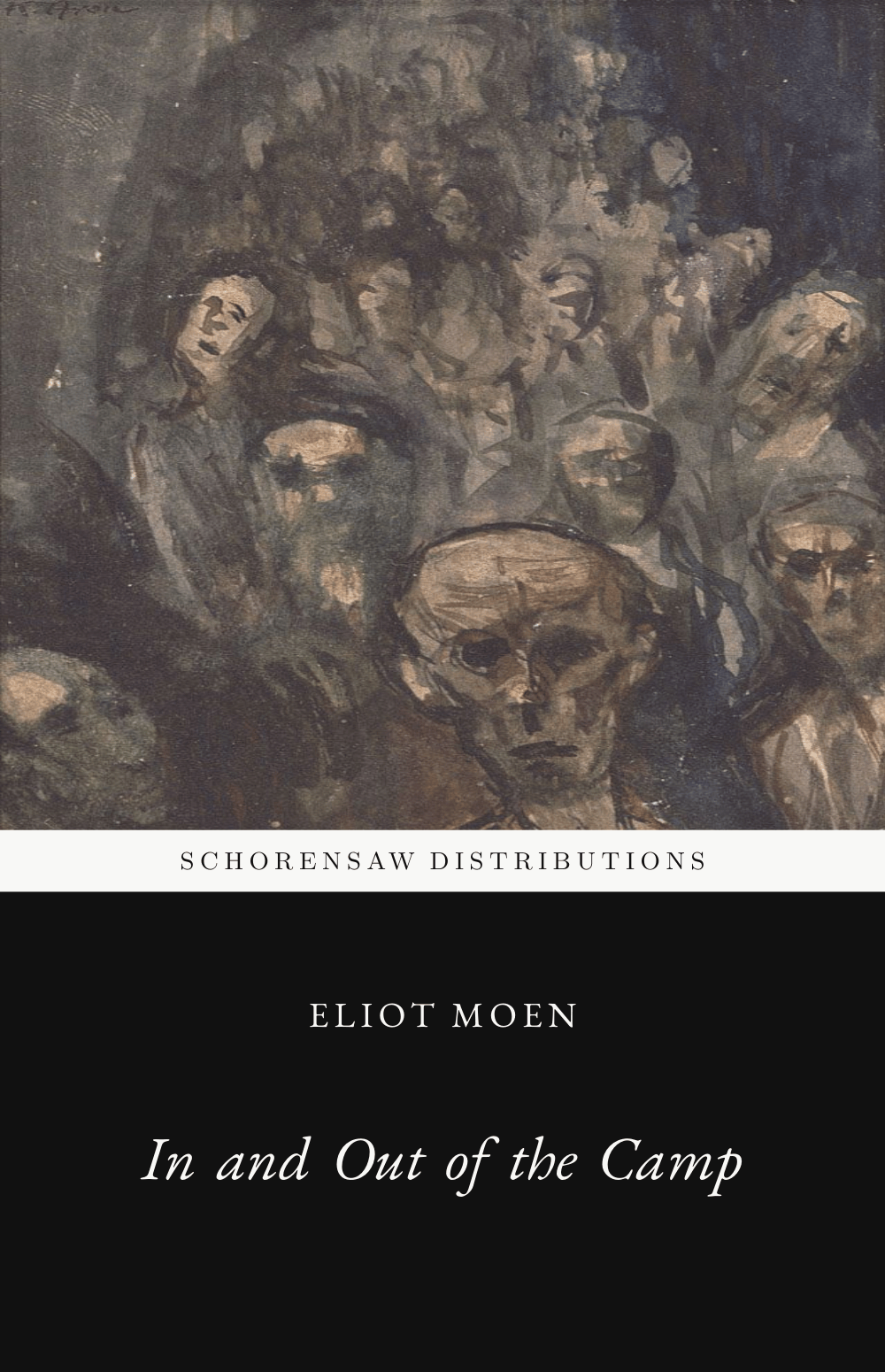
In and Out of the Camp
Eliot Moen
Autobiographical notes in which Moen describes and narrates his daily life in the camp, and how the experience demonstrated to him the ironic conclusions toward which his philosophy had led.
In and Out of the Camp
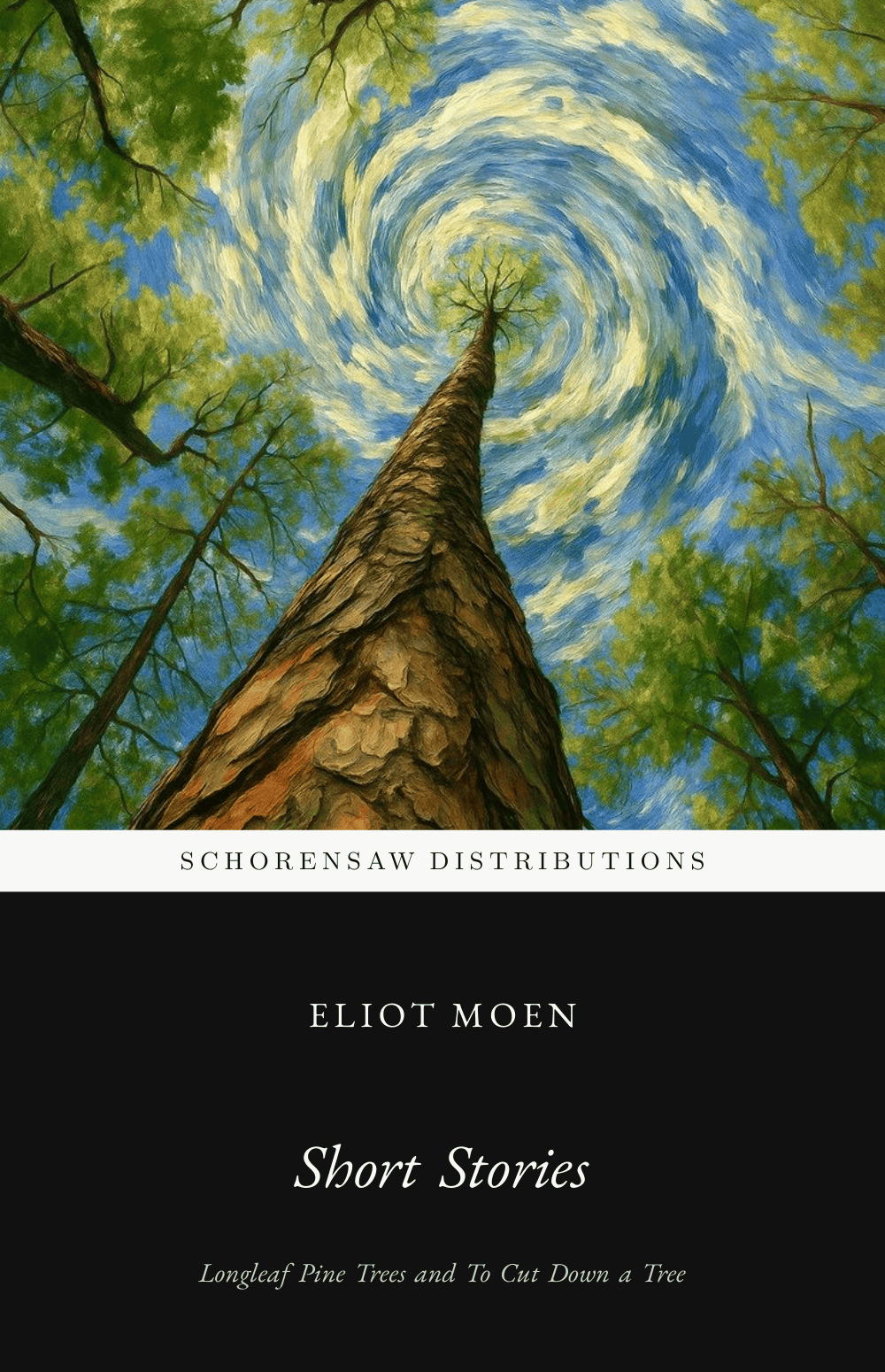
Short Stories
Eliot Moen
Longleaf Pine Trees (1943) extends Moen's metaphilosophical exploration of the absurd through a story showing how every decision can lead to an arbitrary result. To Cut Down a Tree (1944) — part clerk's notes, part narration of environmental activism — brings his philosophy to its fullest development: "Freedom is living the arbitrary."
Short Stories
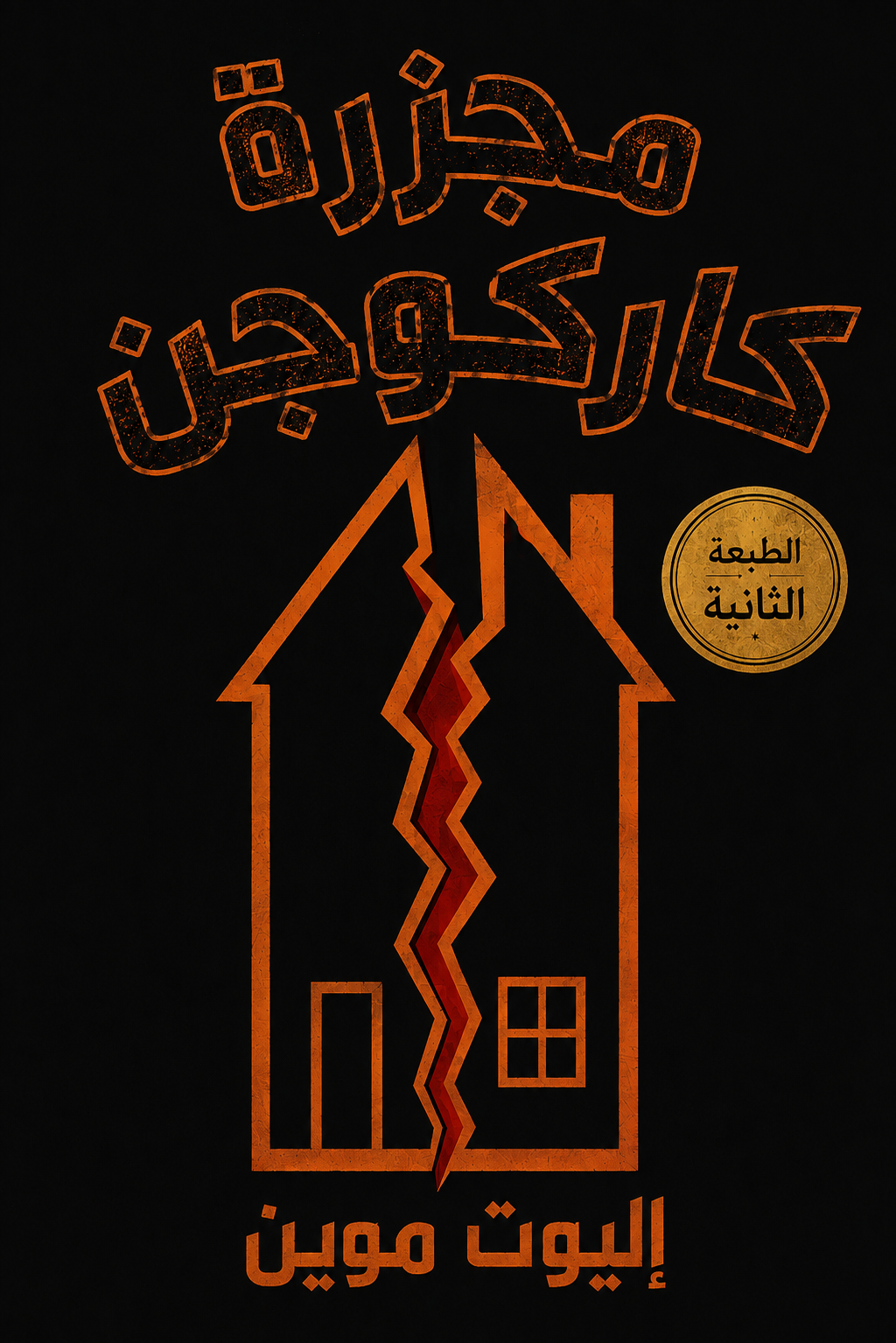
مجزرة كاركوجين
إليوت موين
«مجزرة كاركوجين» (1934) لإليوت موين رواية نفسية وفلسفية عن عائلة تتفكك ببطء بفعل جوانب غير طبيعية من الحياة، تمتد من السياسي إلى الاجتماعي، وتمسّ مباشرةً صحتها النفسية وروابطها وعلاقاتها.
مجزرة كاركوجين
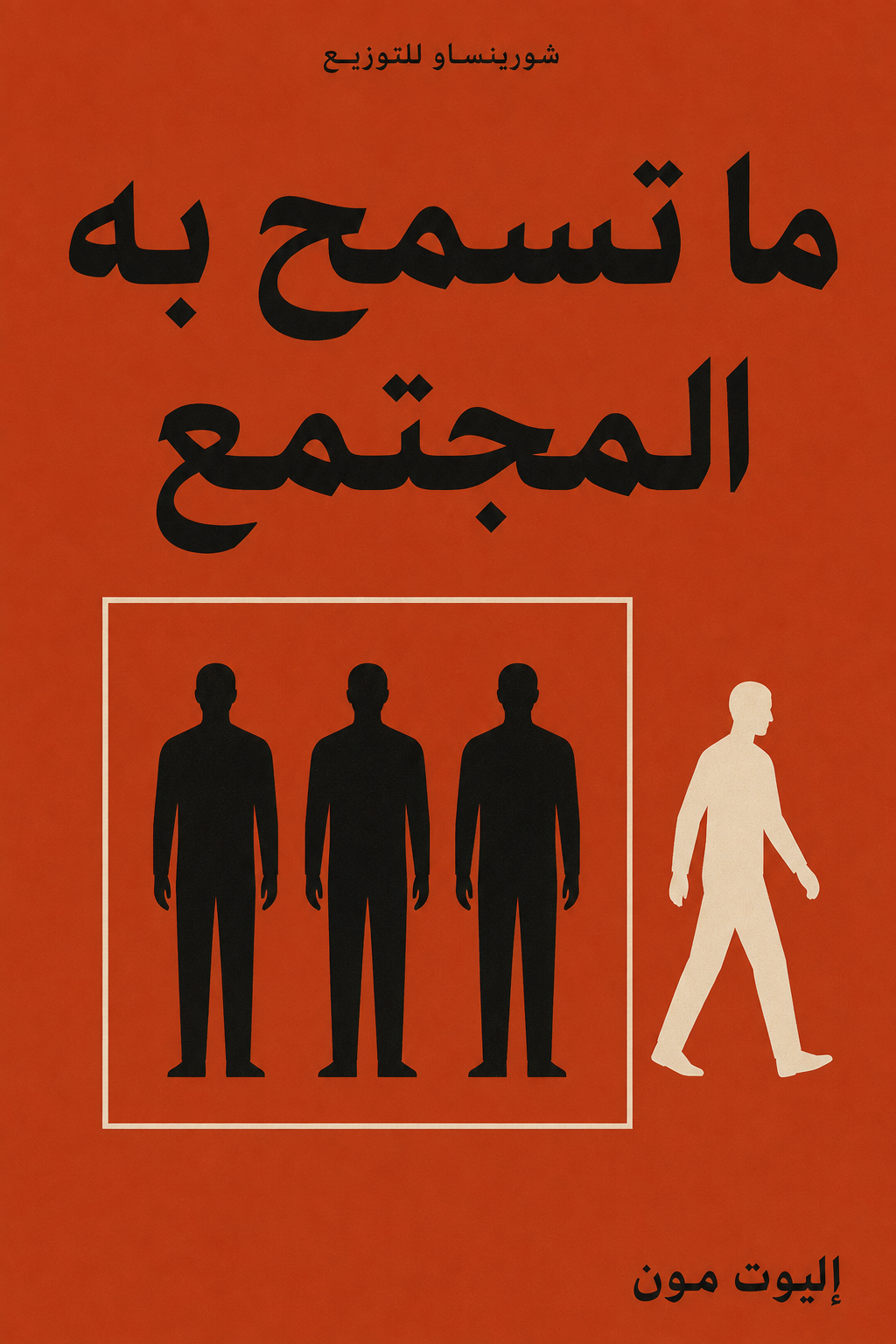
ما تسمح به المجتمع
إليوت موين
آخر روايات موين الكبرى: نقد كثيف وحادّ للمجتمع والأخلاق والثقافة والسلطة الأخلاقية، كُتب على حافة أوروبا التي كانت قد قرّرت سلفًا ما الذي ستسمح به.
ما تسمح به المجتمع